


Do you want to help your child with ADHD shine?
Discover our effective ADHD parenting tips to help your child thrive. Learn strategies for emotional support, school challenges, and everyday routines.
Parenting a child with ADHD can feel like solving a difficult puzzle. It’s full of unexpected turns, where decisions are not always clear. Balancing school challenges, emotional needs, and daily routines can make it overwhelming. ADHD (Attention Deficit Hyperactivity Disorder) is often misunderstood, with many believing it’s only about hyperactivity or trouble focusing. The reality is that ADHD affects much more, including emotional regulation, decision-making, and impulse control. These misunderstandings can leave both children and parents feeling frustrated, making the need for understanding and support even more important.

ADHD includes a range of symptoms that go beyond just being hyperactive. One type of symptom is inattentiveness, which might look like trouble focusing, getting distracted easily, or having a hard time finishing tasks or following instructions. This can often be misunderstood as laziness, but it’s actually caused by how the brain works in people with ADHD. They find it especially challenging to stay focused on tasks they don’t find interesting.
Another important symptom is impulsivity. This includes things like interrupting conversations, having difficulty waiting, or making decisions quickly without thinking about the outcome. These behaviours don’t come from being disobedient or careless; instead, they stem from a problem with controlling impulses, which is a common part of ADHD.
Hyperactivity is a well-known symptom, but it doesn’t show up in everyone with ADHD and varies from person to person. Those with hyperactivity might fidget a lot, feel restless, or constantly need to move. For adults or people with inattentive ADHD, this might be less obvious, showing up as racing thoughts or an inability to relax.
One major misunderstanding is that ADHD is caused by laziness or poor parenting. This isn’t true. ADHD is a condition that develops in the brain and is linked to genetics and biology, not parenting styles or lack of effort. The right support, understanding, and strategies can make a huge difference in helping people with ADHD thrive.
ADHD affects the brain’s executive functions, which are the skills we use to stay organised, focus, and manage emotions. Children with ADHD may find it difficult to keep track of tasks, prioritise activities, or switch focus when needed, making organisation a challenge. Focusing can also feel impossible because they may get distracted easily or find their mind wandering. ADHD can also make it harder to handle emotions, leading to strong feelings or difficulty calming down after frustration.
It’s key to understand that an ADHD brain doesn’t work worse; it works differently. These differences can come with strengths like creativity, curiosity, and the ability to think in unique ways. By recognising and supporting these traits, parents and carers can help children with ADHD thrive by developing strategies that play to their strengths.
Establishing routines is very important for children with ADHD. Predictable routines provide a sense of security and structure, helping to reduce feelings of being overwhelmed or uncertain. Clear routines create a stable environment, making it easier for children to handle transitions between different activities. They can also improve executive functioning skills, aiding children in managing tasks more effectively.
One practical way to introduce routine is by using visual schedules. These schedules use pictures or color-coded sections to explain the day’s activities in an easy-to-understand way. For example, images such as a toothbrush, breakfast, and a backpack can guide a child through their morning routine. Setting alarms is another useful tool. These audio reminders, like a five-minute warning before switching from playtime to homework, can help children prepare for new activities without feeling rushed.
Simple strategies such as preparing for school the night before can significantly ease stressful mornings. Packing school bags, laying out clothes, and preparing lunches ahead of time remove last-minute decisions and chaos. These steps not only make mornings smoother but can also boost a child’s confidence and organisation. By incorporating routines and tools such as schedules and alarms, parents can better support their child’s needs while encouraging independence and emotional stability.
One way to manage homework time better is by using a timer to break work into focused intervals with breaks in between. For example, the Pomodoro Technique encourages students to work on a task for 25 minutes and then take a 5-minute break. It helps improve focus and prevents burnout. Another helpful approach is to divide homework into smaller, manageable tasks. For instance, working through one math problem at a time or breaking a chapter into smaller sections can make tasks feel less overwhelming and easier to handle.
There are also some great ADHD-friendly tools and resources designed to support better organisation and focus. Apps like Todoist or myHomework can help students plan and keep track of their assignments, while tools like Forest use games to encourage staying focused. For younger children, visual checklists and color-coded task charts can make staying organised more engaging and fun. By combining timers, structured strategies, and supportive tools, parents can create a positive learning environment where homework feels achievable and rewarding.
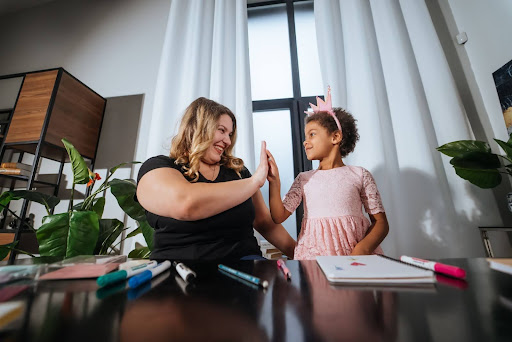
ADHD can make it hard for children to manage their emotions, leading to outbursts or feelings of being overwhelmed. This happens because ADHD affects how they control their emotions, making it tough to handle feelings calmly. Triggers like struggling with a tricky task or dealing with loud, busy places can make these situations worse. That’s why having strategies to help them stay calm is so important.
One helpful method is teaching calming techniques, like deep breathing exercises. Show children how to breathe slowly in through their nose and out through their mouth. This can help them calm down and feel less stressed. Parents can also create a “calm corner” at home. This space, filled with soft cushions, sensory toys, or picture books, gives children a quiet place to relax and settle their emotions.
Parents play a big part in teaching calm behaviour. By speaking in a calm voice and showing steady breathing, they can help ease tense moments and give their child a sense of stability. Co-regulation, where parents actively help children calm down, works well too. This could mean sitting with your child, doing deep breathing exercises together, or gently talking about their feelings so they feel understood. Over time, these methods don’t just solve emotional challenges in the moment but also teach children long-term skills for handling their feelings.
Attending parent-teacher meetings is a vital step in building a strong partnership with educators and supporting your child’s academic success. To communicate confidently, start by preparing ahead of time. Write down any questions or concerns you have and bring examples of your child’s experiences to provide context. Begin the conversation on a positive note by highlighting your child’s strengths and what they enjoy about school. This ensures the discussion starts from a place of collaboration and shared understanding.
Here are some talking points you can use to discuss how teachers can better accommodate students with ADHD:
Encourage a collaborative approach by framing the conversation around shared goals for your child’s success. Express your willingness to work together by asking questions like, “How can we partner to support my child’s focus in class?” or “Are there systems we can put in place at home and school to create consistency?”
Lastly, emphasise the importance of building a support team around your child. This might include the teacher, special education staff, counsellors, and even external professionals, such as therapists or coaches. Regular communication between everyone involved ensures that strategies are aligned and your child receives the best possible support to thrive academically and emotionally.
Recognising effort and personal progress, rather than just focusing on behaviour, can greatly improve a child’s confidence and motivation. Highlighting even small steps forward helps encourage a positive mindset and a willingness to grow. For example, if a child tackles a tough homework task, acknowledge their perseverance and determination. If they try a new coping strategy, even if it’s not perfect, celebrate their innovation and effort. Small wins, like concentrating longer on a task or calmly handling a frustrating situation, are moments that deserve praise. Recognising these achievements helps children understand their potential and lays the groundwork for continued growth.
Parents caring for a child with ADHD often face unique challenges, and it can be easy to forget about their own needs. But taking care of your health is crucial—not just for you, but for your ability to support your child effectively. Small self-care habits can make a big difference. Take short breaks during the day, whether it’s enjoying a cup of tea in peace or stepping outside for a bit of fresh air.
Connecting with other parents who have children with ADHD can also provide a sense of community and support. Sharing experiences, advice, and strategies can help lighten the load and offer practical insights. Ultimately, looking after your own well-being is not selfish; it’s an essential part of ensuring the happiness and stability of your entire family.
Finding the right support network can make all the difference when raising a child with ADHD. Organisations like CHADD (Children and Adults with Attention-Deficit/Hyperactivity Disorder) provide excellent resources, including local chapters and online communities where parents can connect and share experiences. Similarly, Facebook hosts groups tailored to parents of children with ADHD, offering a supportive space for advice and encouragement. Some of these groups and forums include:
For learning more about ADHD, there are fantastic resources available. Podcasts such as ADHD Essentials and ADHD Experts feature insightful discussions on managing ADHD effectively. Books like The Explosive Child by Dr. Ross Greene and Driven to Distraction by Dr. Edward Hallowell and Dr. John Ratey offer valuable strategies and in-depth knowledge. Additionally, therapists who specialise in ADHD provide family counselling and behavioural coaching, equipping parents with practical techniques to support their children and themselves. Seeking help fosters understanding, reinforces confidence, and reminds you that you’re never alone on this path.
Bright Heart Education helps children with ADHD learn at home or online with kind and experienced tutors. Our tutors are carefully chosen to match your child and make learning fun. Every lesson is designed just for your child, helping them feel confident, improve their reading and writing, and reach their best. Want to help your child do their best? Contact Bright Heart Education today to find the perfect tutor for them.
Share this article