


‘This Is My Place’: Children’s Mental Health Week 2026
We discuss the importance of belonging for student wellbeing and what ‘Children’s Mental Health Week’ is all about. Learn how to help every child feel valued and supported.
Children’s Mental Health Week is organised by the charity Place2Be, and this year’s theme, “This is My Place,” invites us to explore what it means for a child to belong in friendships, at school, and in the community. It’s not just about being in the classroom; it’s about feeling noticed and heard. Across the UK, people are paying more attention to student well-being. With growing diversity in schools, including neurodiversity, helping students truly feel like they belong is more important than ever. Even so, it’s becoming clear that emotional connections in schools can feel fragile.
Consider this: a child might attend class, have their name on the wall, and sit at a desk, but still feel completely invisible. This is common and it can have a serious effect on mental health. For some children, school is more isolating than welcoming. Even the best students can struggle if they don’t feel included or supported. They might fade into the background quietly. The question we need to consider is, “How can we foster environments so that every child feels like they belong?”
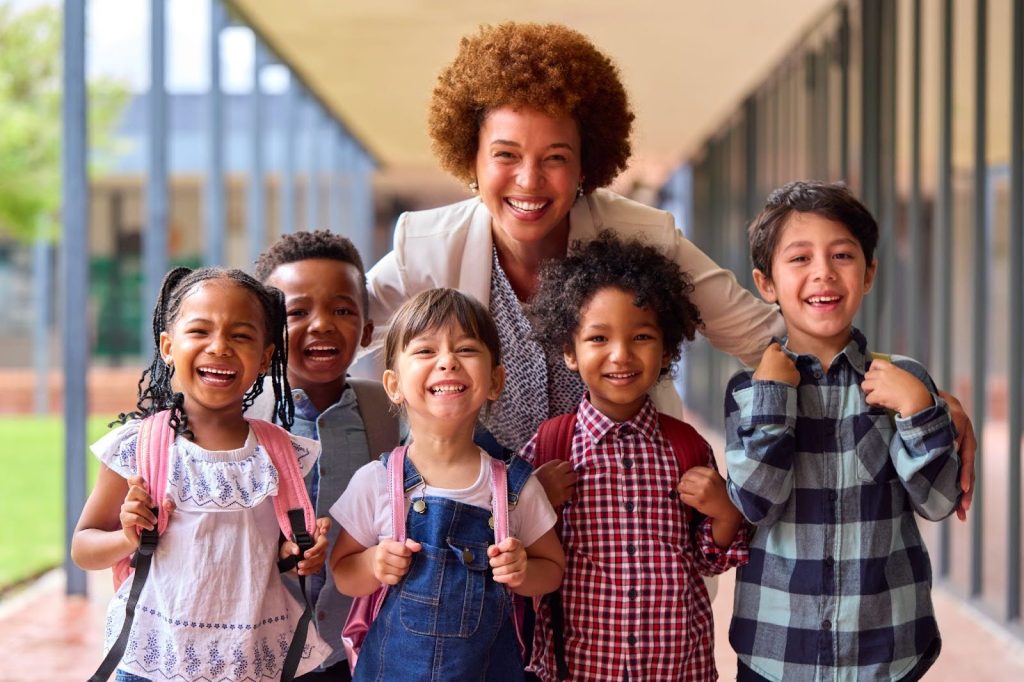
It’s important to understand that there is a big difference between ‘fitting in’ and ‘belonging’, especially for children with SEND (Special Educational Needs and Disabilities). Fitting in means trying to act a certain way so others accept you. This can mean changing your behaviour and hiding what makes you unique. Belonging, on the other hand, means that people accept you for who you are. For a SEND child, belonging means freedom to be themselves without fear of being judged. This leads to more confidence and stronger bonds with others in the community and school.
When a child feels safe at school, they can relax. They know they are accepted and supported, which helps them participate. Sometimes, though, a child seems calm but is actually just ‘holding it together’ and hiding how they really feel. This is common among neurodivergent students, and it’s easy for teachers and parents to miss. Masking their true selves takes a lot of energy. What looks like ‘good behaviour’ might really be a child struggling on the inside.
Many SEND children seem quiet, but that does not always mean they are calm or happy. Sometimes, they are masking, that is, hiding their natural behaviour or feelings to fit in. While this helps avoid drawing attention to themselves, masking is exhausting. When these children get home, they may be tired and drained from having to put on an act all day. This can be overlooked, since they may look like they are coping well. But inside, they may be struggling just to get through the school day.
When children feel like they belong, the world opens up for them. They don’t have to hide who they are or try to fit in. Instead, they feel free to ask for help and take part in learning. Belonging helps them feel safe and valued, no matter what. This emotional safety is good for both their well-being and their learning, making it easier for them to succeed and build friendships.
Sometimes, schools may try to include SEND students in ways that aren’t truly meaningful. For example, a sensory corner may be used the wrong way, as a spot for punishment instead of support. This can make students feel misunderstood. Or, a student might be in a regular class but still feel alone if there is no effort to help them make friends or get involved. Basic presence is not enough; real inclusion needs to be thoughtful and active.
Some school rules, like behaviour charts or strict dress codes, can leave neurodivergent children feeling like they can never measure up. These systems often reward behaviour that works well for neurotypical children, but don’t take into account different needs. When rules feel unfair, it can send the message that these children don’t really belong, and makes them less likely to participate or be themselves. Boundaries are needed, but when crossed it is better to first address understanding, then consequence.
If staff misunderstand the way SEND children communicate, it can leave students feeling invisible. A child who avoids eye contact may be seen as rude, even though this can be normal for them. Or, a student who needs to move in class might be seen as disruptive. When adults don’t recognise these differences, it can hurt the child’s trust and connections at school. Listening, learning, and adjusting communication helps build understanding and belonging.
When students feel they belong, they become more willing to take on new things, ask for help, and keep trying after mistakes. All of these things are important for learning. Students who feel safe and valued at school are also more likely to attend regularly, which helps them do better in school over time. Lower absenteeism means more students get the support and learning they need, making school a more inclusive place for everyone.
Individual tutoring can give students the personal attention they might not always get in class. In these sessions, students know they are seen and listened to, and what they say matters. This safe, supportive space allows them to be themselves and feel understood. For many, tutoring is where they start to believe they truly have a place in learning.
Some children feel disconnected from school or like they can’t succeed. One-to-one support allows tutors to teach at the student’s pace and style, helping rebuild their confidence step by step. As children achieve small goals, they begin to see themselves as capable students again. This not only helps with skills but also brings back excitement for learning.
The belief that “I belong and people value me” can go far beyond tutoring. When students feel comfortable in that space, they carry that confidence with them to school and other areas of life. They become more willing to speak up, get involved, and express their needs, all thanks to the foundation of trust and belonging that tutoring helps create.
Young people feel validated when they see their own experiences and identities reflected at home. This can be through books, TV, or conversations. It helps them feel proud of who they are and broadens their understanding of others. Look for diverse stories and talk openly about what makes each person unique.
When things get difficult, it’s tempting to focus on correcting behaviour right away, but building connection is more powerful. Co-regulation means sharing calm and understanding rather than only asking for immediate obedience. This approach makes children more likely to trust and listen, and helps them learn how to handle feelings better.
Children’s passions, whether it’s trains, drawing, or video games, are great ways to connect and build their sense of self. Instead of using interests only as rewards, parents can join in and show excitement for what their child loves. Sharing these moments builds closer bonds and shows children they are valued for who they are.
Children need to know that home is always a place where they are accepted, especially when things get tough elsewhere. Parents can give this sense of security by keeping routines, spending time together, and offering steady, loving support. Knowing they always have a safe haven is vital for children’s mental health and growth.
Starting a gratitude jar in school helps children focus on the positive parts of their day. Children can write down things they’re thankful for and put them in the jar. Sharing these notes can build a sense of group belonging and highlight the good things in everyday life.
Taking a walk together outdoors can make sharing and talking easier, especially for young people who find face-to-face conversations hard. These walks can help children relax, get creative, or just enjoy nature, often leading to better moods and focus.
Matching students with similar interests, rather than just pairing them by ability, can help true friendships develop. When children work together on things they care about, like building with Lego or talking about video games, they connect in more meaningful ways.
Simple, genuine gestures, like using a student’s name, remembering their favourite hobby, or saying “I’m glad you’re here”, can have a huge impact over time. These little actions build up a strong, caring culture where all students feel seen and appreciated.
The real difference between inclusion and belonging comes down to the depth of connection. Inclusion means a student is allowed to join in, but belonging is what makes them want to stay and take part fully. While inclusion may open a door, it’s belonging that turns school into a safe and joyful place to learn, grow, and express yourself.
Building belonging isn’t a job for just one week; it’s created by showing care and respect every single day. With small actions and a focus on emotional connection, we can make schools places where every child truly feels they matter.
If you’re a teacher or school leader, try looking around today not to check up on rules, but to ask, “Does every child here know that this is their place?” By reflecting on this question and making small, real changes daily, we can build schools where all students belong.
At Bright Heart, we know that students need to feel safe and respected before real learning can happen. We focus on building authentic, trusting relationships with each student to create a strong emotional foundation. Our ethos focuses on the whole individual to achieve emotional and academic growth.
We understand that each child is different. Instead of expecting children to fit a fixed programme, we adapt teaching to fit the child. Tailored learning plans, respect for neurodivergence, and creating a positive learning space are key. We give every student the space and support to do their best as themselves, with the opportunity to see differences as strengths.
For us, flexibility isn’t extra; it’s how we do things every day. We let students move when they need to, and we use their special interests to help them learn. We provide the space for them to talk about their feelings and never force them to hide who they are. By building this kind of environment, students feel secure and free to be themselves.
If you would like to find out more about how Bright Heart can make a difference in your child’s educational journey, get in touch with us today.
Share this article